
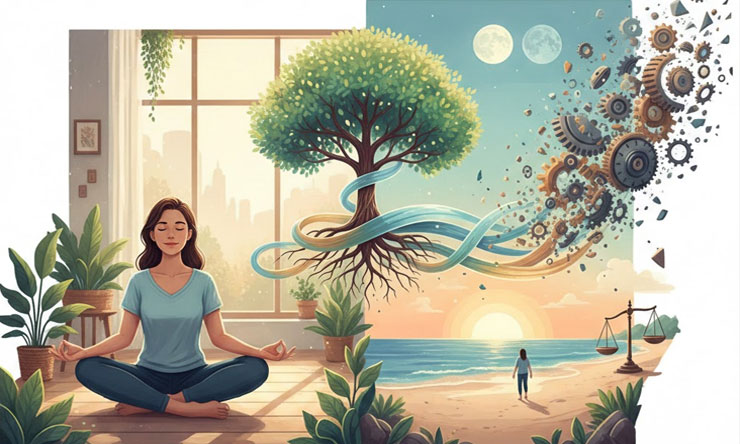
In a world obsessed with productivity, achievement, and visible results, it is easy to believe that our value as human beings is directly tied to what we produce. We are often asked what we do for a living, how busy we are, or what we have accomplished lately. These questions may seem harmless, but over time they shape a deeper assumption: that our worth is measured by output. When productivity slows, motivation dips, or results fail to meet expectations, self-worth often follows the same downward path.
This way of thinking is deeply ingrained in modern culture. Hustle narratives celebrate constant work, social media highlights success stories without showing the cost, and professional environments reward performance above well-being. In such a landscape, rest can feel like failure, and stillness can feel like stagnation. Yet reducing human value to productivity is not only inaccurate, it is harmful. You are not what you produce, and learning to separate identity from output is essential for long-term mental health, fulfillment, and balance.
How Productivity Became a Measure of Identity
The link between productivity and self-worth did not appear overnight. It developed alongside industrialization, economic competition, and the increasing emphasis on efficiency. Over time, being “useful” became synonymous with being valuable. This mindset carried into education systems that prioritize grades and rankings, workplaces that emphasize metrics and targets, and societies that admire constant busyness.
Technology has amplified this effect. With smartphones and digital platforms, work no longer has clear boundaries. Many people feel pressured to always be available, always improving, and always producing something measurable. Even hobbies are sometimes reframed as side hustles, turning moments of joy into opportunities for output. You may also like: When Being Edgy Is Just Another Trend
Social comparison plays a major role as well. Seeing others share achievements, promotions, or creative outputs can unconsciously reinforce the idea that value must be earned through visible success. When we internalize this belief, our sense of identity becomes fragile. Any slowdown, mistake, or pause can feel like a personal failure rather than a natural part of life.
The danger of this perspective is that it ignores the complexity of being human. People are not machines designed for endless production. Energy fluctuates, circumstances change, and growth is rarely linear. When identity is tied solely to output, burnout becomes almost inevitable.
The Hidden Costs of Defining Yourself by Output
When people equate their worth with productivity, the consequences often extend beyond stress or fatigue. One of the most common outcomes is chronic burnout. Without clear boundaries between self and work, rest begins to feel undeserved. Even moments of relaxation are overshadowed by guilt or the feeling that one should be doing more.
This mindset also affects emotional well-being. Failure or underperformance can trigger shame, anxiety, and a sense of inadequacy. Instead of viewing challenges as external or situational, individuals may internalize them as proof that they are not “enough.” Over time, this can erode confidence and self-trust. Read also: Breaking The Good Person Complex
Relationships can suffer as well. When identity revolves around output, time spent connecting with others may be seen as unproductive. Presence is replaced by preoccupation, and meaningful interactions are sacrificed for efficiency. Ironically, the very things that give life depth and meaning are often pushed aside in the pursuit of achievement.
Creativity is another casualty. True creativity thrives in spaces of play, rest, and exploration. When every action is judged by its output or usefulness, experimentation feels risky. People become less willing to try, fail, or explore ideas without guaranteed results. This leads to stagnation, even as productivity appears high on the surface.
Perhaps most importantly, defining yourself by what you produce creates an unstable foundation for identity. Jobs change, abilities evolve, and circumstances beyond control can disrupt productivity at any time. When output disappears, the question of self-worth becomes unsettlingly loud.
Separating Self-Worth from Achievement
Reclaiming a healthier sense of identity begins with recognizing that worth is inherent, not earned. This idea may sound simple, but it challenges deeply rooted beliefs. It requires unlearning the assumption that rest must be justified and that value depends on constant contribution.
One way to start is by observing internal dialogue. Pay attention to how you speak to yourself on days when productivity is low. Do you use harsh language or labels? Reframing these moments as part of being human rather than personal shortcomings can gradually shift perspective.
It is also helpful to expand the definition of value. Contribution does not always look like measurable output. Listening, caring, learning, and simply being present all have value, even if they do not produce tangible results. Recognizing these quieter forms of contribution helps balance the narrative that only visible achievements matter.
Another important step is setting boundaries around work and performance. This may involve redefining success in more sustainable terms, such as consistency, well-being, or personal growth rather than constant expansion. Boundaries create space for rest without guilt and effort without self-erasure.
At the heart of this shift is a broader mindset change. Instead of asking, “What did I produce today?” it can be more grounding to ask, “How did I experience today?” This subtle change redirects attention from output to presence, from results to lived reality. Over time, this mindset creates a more stable and compassionate sense of self.
Living Fully Beyond Productivity
When identity is no longer tied solely to production, life opens up in unexpected ways. Rest becomes restorative rather than stressful. Time off is no longer something to earn, but something to honor. Moments of stillness, reflection, or play regain their rightful place as essential aspects of a balanced life.
This shift also allows for more authentic engagement with work itself. When self-worth is not on the line, failure becomes less threatening and learning becomes more accessible. People are more likely to take meaningful risks, pursue work aligned with values, and recognize when it is time to change direction.
Relationships deepen as well. Being present without the pressure to optimize every moment allows for genuine connection. Conversations become less rushed, and shared experiences become more meaningful. Life feels less like a checklist and more like a lived story.
Importantly, separating identity from output does not mean rejecting ambition or effort. It means placing them in proper context. Productivity can be a tool, not a measure of worth. Achievement can be fulfilling without becoming the sole source of identity. This balance supports long-term growth without sacrificing well-being.
As this perspective settles in, many people notice a quieter confidence emerging. It is not dependent on praise or results, but rooted in self-acceptance. This confidence remains steady even during periods of low output, because it is grounded in being rather than doing.
Conclusion
You are not what you produce, even though the world may often suggest otherwise. Productivity, achievement, and output are parts of life, but they are not the sum of who you are. When identity becomes entangled with performance, self-worth becomes fragile and exhaustion follows close behind.
By redefining value as something inherent rather than earned, it becomes possible to engage with work, creativity, and ambition from a healthier place. This shift requires intention and patience, but it leads to a more sustainable and compassionate way of living. In the middle of this journey, remembering that your mindset shapes how you see yourself can be transformative. When worth is no longer measured by output, life gains depth, balance, and meaning far beyond productivity.